
We work with commercial and retail property owners and managers to install future-proof EV solutions. The demand for EV charging stations for employees and visitors continues to increase. Birnie Electric offer simple, flexible, and non-proprietary EV charging solutions with the ability to monitor, bill, and limit and provide access to your public or private stations.
We install electric vehicle charging stations for commercial, office industrial institutional, multi-residential, condominiums and apartment buildings. We work with facility managers, property managers, developers, engineers, and architects to find the best EV charging solutions to not only Increase your property value but upgraded amenities for your employees, visitors , building tenants and residents.
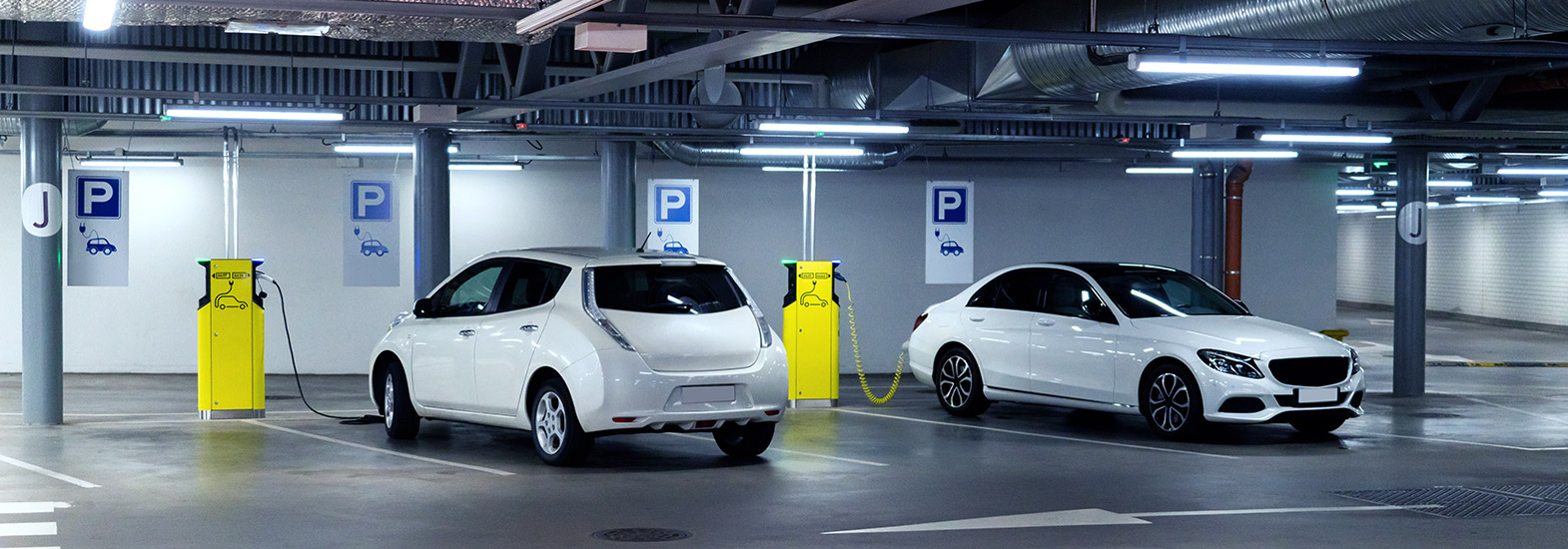
An electric vehicle needs to plug into a charging station to charge it batteries just like filling up the gas tank. When you not at home and plugged into your charger at home many companies provide charging stations at their facility so you can charge your vehicle while you attend to other business.
EV charging station comes in different levels. Each level increases the speed in which you can charge you’re vehicle, level 1 is the slowest, then level 2 and finally level 3 which is the fastest. Most charging station are level 2 and 3.
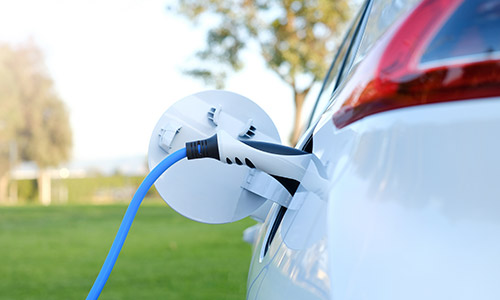
One Hour of Charge ~ 8 km of Range
This is the slowest type of charging. All EV charges are equipped with a cord set that allows you to plug into any wall socket. It may be the slowest, but it is convenient and ensures you can charge wherever you are.
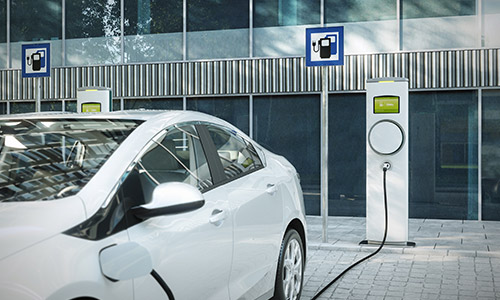
One Hour of Charge ~ 30 km of Range
Level 2 Charging is the most common level of charging. Almost all EV drivers install a Level 2 charging station at home, and most businesses and multi-family buildings install them for employees, customers and tenants. All EVs sold in North America, with the exception of Tesla, use the same charging standard. This means that any car can use any Level 2 station across Canada and the United States.
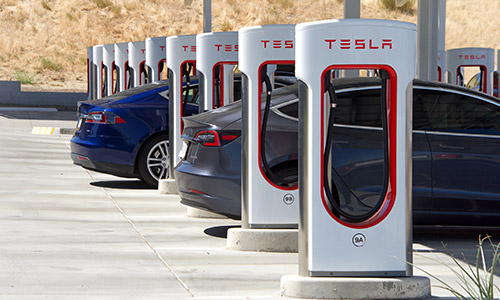
One Hour of Charge ~ 250 km of Range
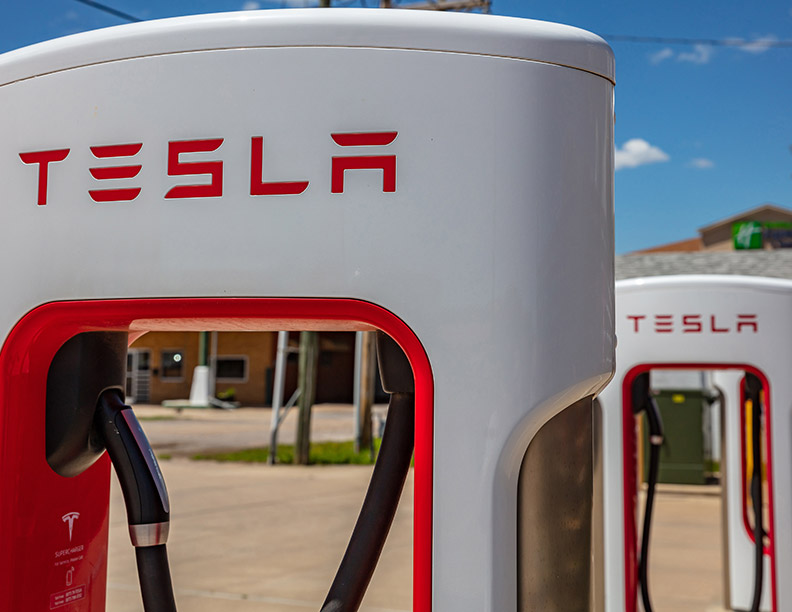
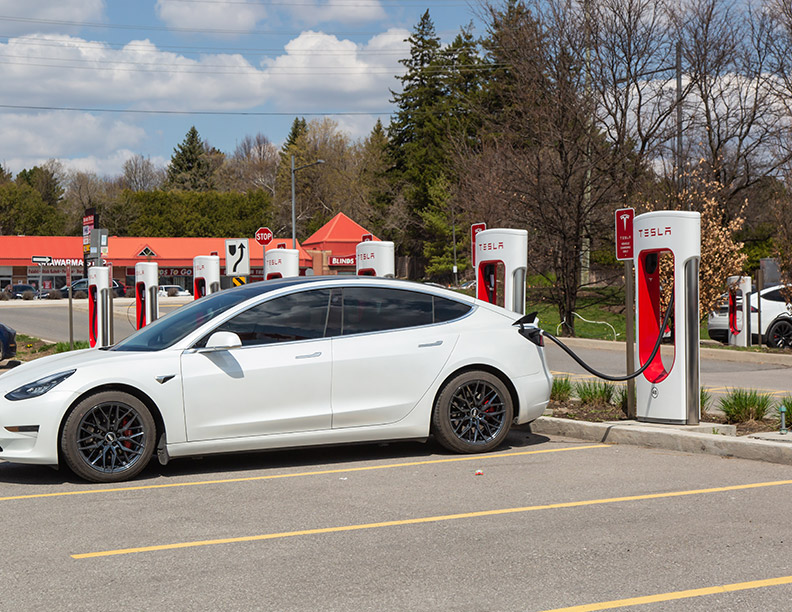
Level 3 Charging is also known as DC Fast Charging, which connects directly to the car’s battery, allowing the off-board equipment to have any power needed. DC charging is capable of charging up to 80% of the electric vehicle’s battery in less than 20 minutes. For most cars made by the EV auto manufacturers, CCS is used by the North American and European auto manufacturers and Supercharger is used by Tesla.
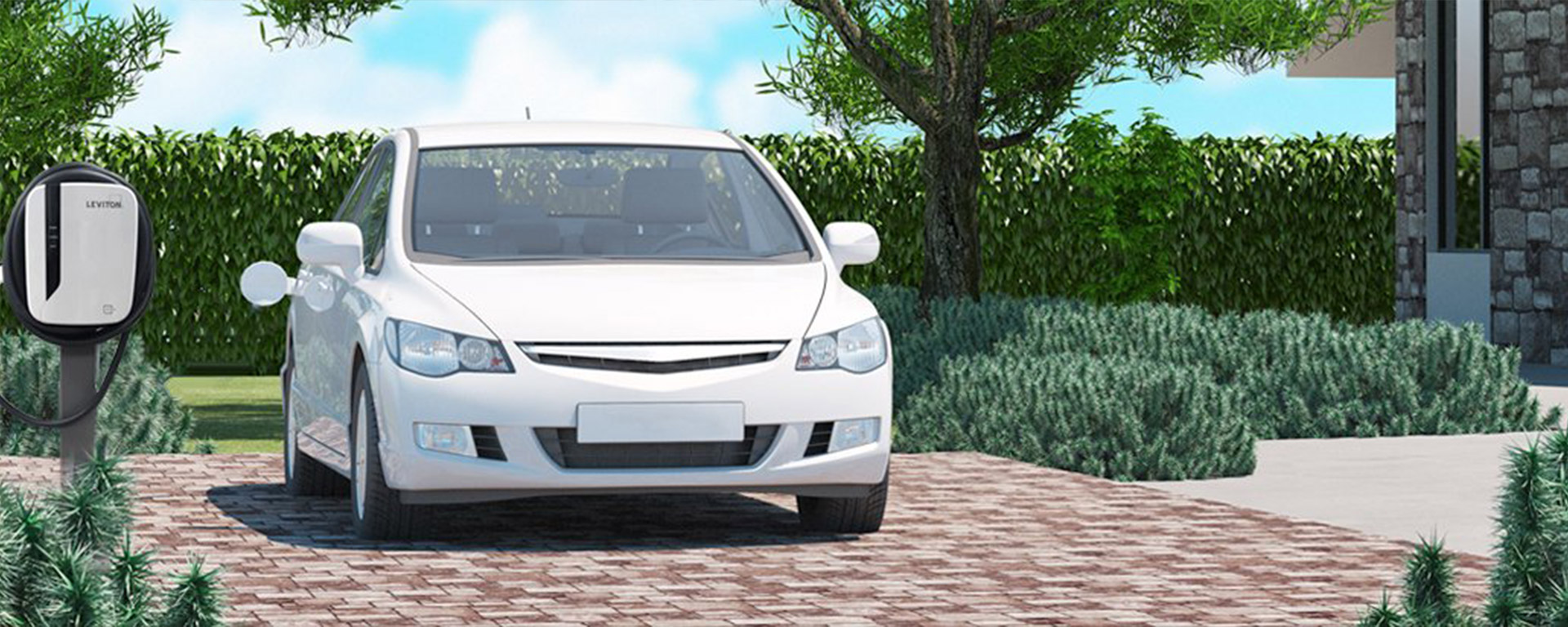
There are many things to consider for commercial and residential installation for EV chargers. For most residential EV chargers will require you to have a minimum of 200Amps of power coming into your home. First commercial applications it is a little more complicated as you may be putting in multiple chargers and they could be located in the parking lot away from the building.
Once you decide how many chargers you want to install and the location of them the next step is to contact us one of EV Electrical Solutions team members walk you through what’s next in the process. Sound complicated but its not. Let’s do this.